


Have you thought about travel insurance? It’s important that before you travel anywhere that you’re covered by a policy that protects you should something go wrong. If you need a little advice or more information then check out SafeTrip Travel Tips.
Find a route that’s right for you
You’ll never be short of things to see and experience when you visit India that being said, it can also be a little overwhelming. Where could you possibly begin? The fact is that you’ll never have time to see everything in one trip, so begin with deciding what you’d like to see, figure out how much time you have and then plan accordingly.
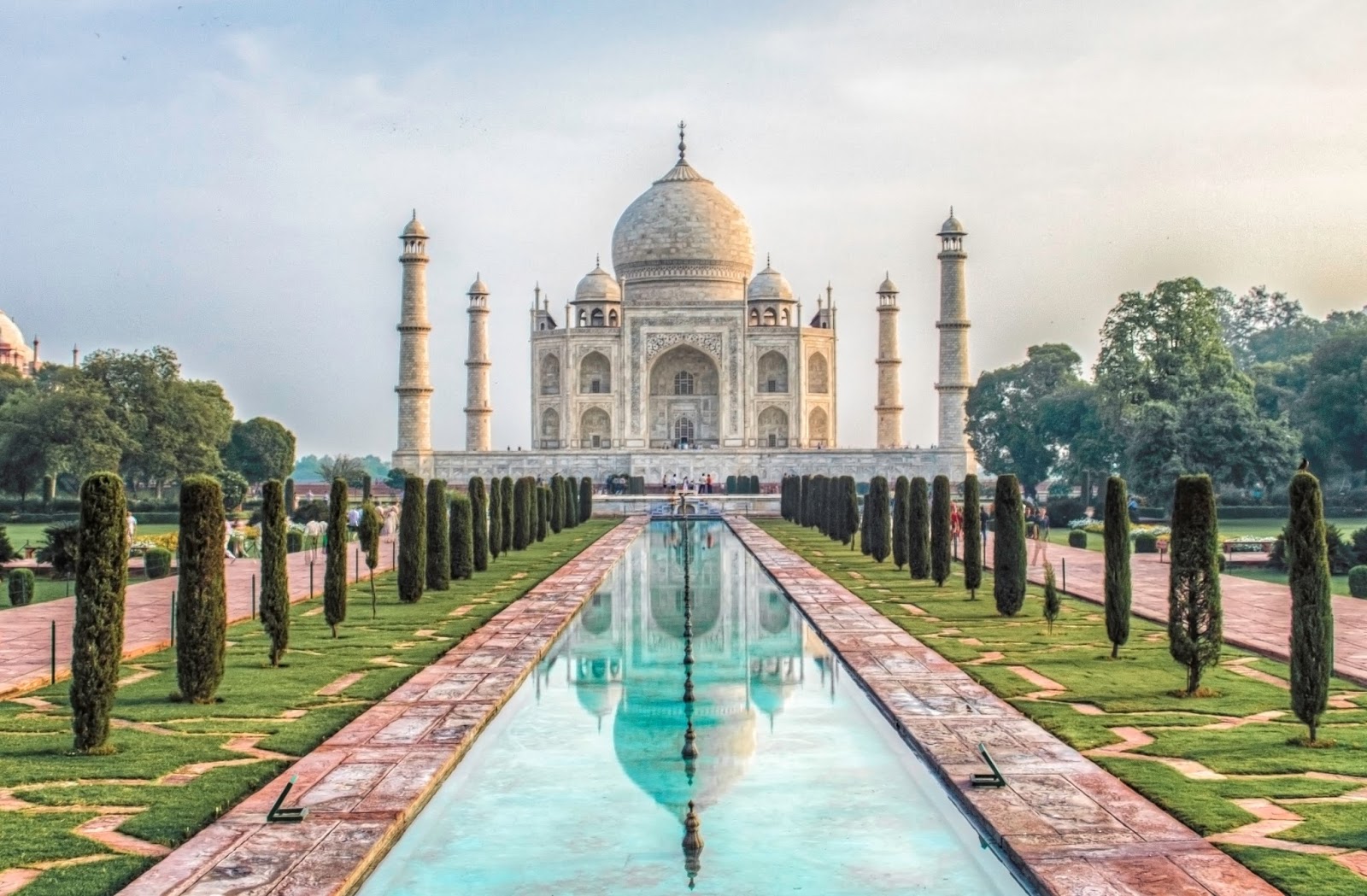
Be realistic, if it’s your first time in India then I’d recommend visiting the Golden Triangle. This is a combination of India’s top three attractions and destinations: Delhi, Agra and Jaipur. Head to Delhi at the start of you adventure and discover Humayun's Tomb and try the incredible street food. Then head on to Agra and tour the beautiful and iconic Taj Mahal. Then it’s onto Jaipur, why not tour the City Palace and discover the sprawling street markets and food fare before you fly home?
Take your time
Because India is such a large place that’s crammed with things to see and do, it can feel like an impossible task to see everything. Try to avoid making your visit stressful and take your time in each place. It’s much more rewarding to enjoy one destination or attraction in full than rushing around and barely seeing lots of different attractions. Gain a better understanding and appreciation of where you are by taking your time and soaking up the atmosphere and culture.
Keep healthy
Getting sick while in a foreign country is something all of us dread. And no one wants to get ill, especially if they’re only travelling for a few days. It’s important to do a little homework before you travel and find out what common practices other travels do when visiting India. Here are a few to get you started.
● Never drink tap water
● Don’t eat any food that may have been washed in tap water. Including salads and fruit.
● Avoid ice cream and ice.
● Let your digestive system acclimatise for a couple of days before you try local delicacies.
● If you’re trying street food, check out the stalls first. Make sure they’re popular and attracting customers, not flies! Take your lead from the locals and other travellers.
On the road? Take some hand sanitiser or wipes with you, just to make sure you can keep your hands clean before you eat again.
Follow us on Facebook, Pinterest, Instagram, and Twitter!

Making sure your health is covered is not just about buying travel insurance, although that is a very important aspect of your care. Before you set off you should visit your doctor for a medical. A quick check of your health could be the difference between dealing with a minor illness at home and needing major medical intervention while you’re away. If you require prescription medications you should ensure you have enough to cover you while you’re away. Researching your ability to obtain your medication in foreign countries is worth the time it will take if you are setting off on an extended travel adventure. You’ll need to know how to get new prescriptions and where to purchase the items you need. Many countries will not sell your brand of medication so it pays to be aware of other brands that your doctor approves for your use.
If your home country offers cover abroad through your national health service you should make sure you have the appropriate identification and membership so that you can claim if you have health issues abroad. Once you know you are covered it could be as simple as presenting your card at a medical facility to receive treatment. Cards like the European Health Card are a great example. UK residents should carry these when they travel through Europe but the cards are only valid for five years. A quick check before you leave home will ensure that your card is within date and able to be used.
Even if you do have some kind of health care that covers you on holiday, you should still purchase travel insurance. Travel policies cover much more than your medical needs when you’re away from home. Refunds of lost deposits if an illness causes changes to your plans, money to replace lost luggage and even extra funds for pets to be housed if your return home is delayed, are just some of the options you can receive with a good travel insurance policy. When you’re planning a trip, the last thing you want to imagine happening is an accident or illness of some kind, but accidents happen more than most of us realize. When you’re in the ambulance on your way to a hospital in a country that doesn’t speak your language, you’ll be relieved to know you are covered and that your travel insurance company will take care of the details for you.
Travel vaccinations are another important consideration before you visit foreign lands. Different countries have different recommendations for appropriate vaccinations. Your doctor can advise what you are likely to need or you can visit a specialist travel doctor. Many people choose to visit travel clinics overseas to save money; do your own research to decide what is best for you and your family in this area. Some vaccines are relevant only to a particular set of people or a particular type of travel. I urge you to research each one to see if it's necessary.
Good health is nothing to take for granted, especially when you are travelling far from home. Avoiding expensive treatments overseas means you save money too. By doing a little bit of work before you set off you can make sure that you have an enjoyable trip and return home in the same good health you enjoyed before you left.
Have we missed anything? What else related to your health should you check before you leave home on holiday?